
On-line
Tuesday October 20 - 08:00 New York / 14:00 Berlin / 20:00 Beijing / 21:00 Tokyo
On-line
Tuesday October 20 - 08:00 New York / 14:00 Berlin / 20:00 Beijing / 21:00 Tokyo
Machine-actionable mode of action codes
On-line
Monday September 14 - 10:00 New York / 16:00 Berlin / 22:00 Beijing / 23:00 Tokyo
Tuesday September 15 - 02:00 Auckland
On-line
Tuesday July 7 - 08:00 New York / 14:00 Berlin / 20:00 Beijing / 21:00 Tokyo
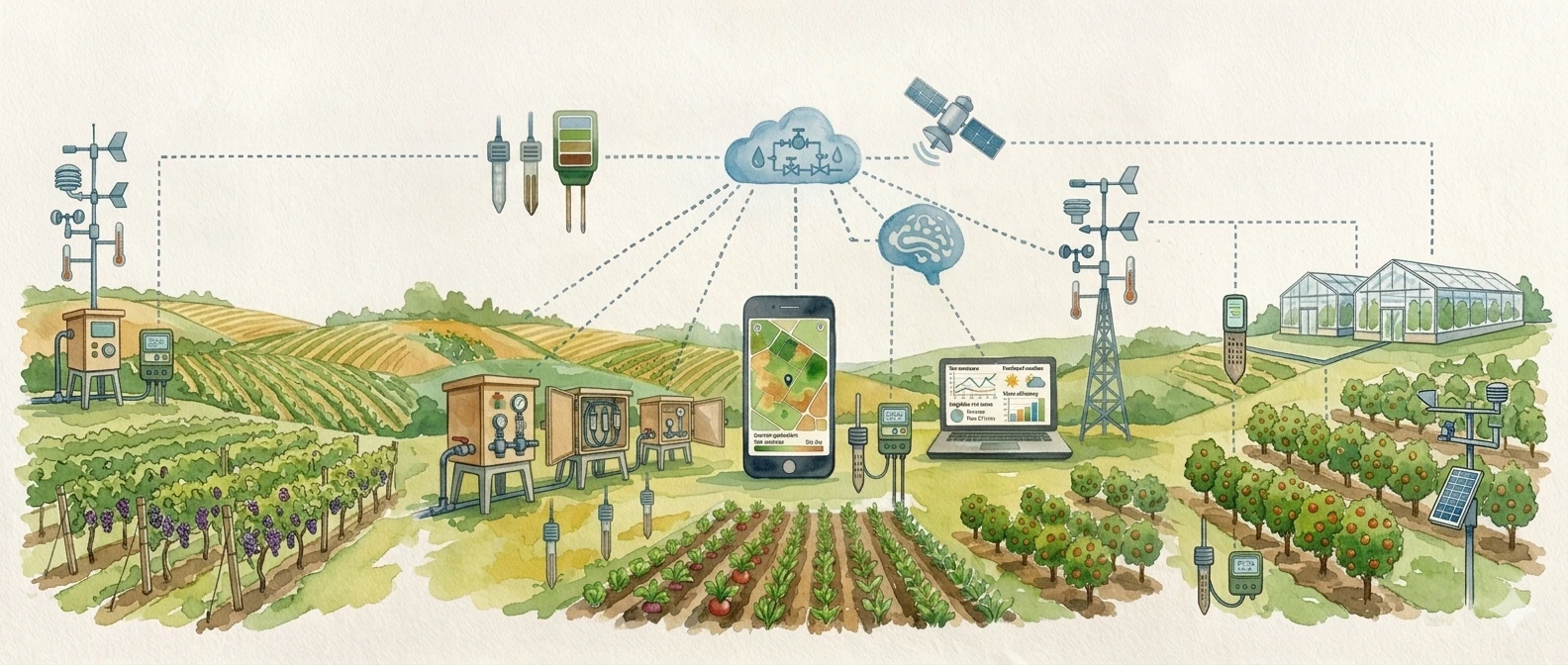
Enabling smart irrigation
On-line
Tuesday June 30 - 08:30 New York / 14:30 Berlin / 20:30 Beijing / 21:30 Tokyo
Wednesday July 1 - 00:30 Auckland
Enabling the digital representation of externalities in agrifood systems (with animal byproducts as a leading use case)
Tuesday June 2, on-line
14:00 CEST / 10:00 New York / 20:00 Beijing / 21:00 Tokyo
Open to all existing members of AHG 11, this meeting marks the start of the standardisation journey in support of the global apiculture and bee products industries. If you are not already involved with AHG 11, please consider engaging - information in the flyer.
The value of representing modes of action and formulation codes with controlled vocabularies.
May 11 2026 - 08:00 - New York, 14:00 - Berlin, 20:00 - Beijing, 23:59 - Auckland.

The agrifood sector has invested heavily in generating data. The return on that investment depends heavily on whether data from different systems can be understood together. Right now, it mostly cannot.
Across the agrifood value chain, the same term routinely means different things in different systems. 'Yield' may refer to fresh weight or dry weight, field-level or enterprise-level, pre- or post-storage loss. 'Organic' carries different legal meanings in different jurisdictions. 'Variety', 'cultivar', 'lot', and 'batch' are used interchangeably in some systems and with distinct technical precision in others. These inconsistencies are not a matter of poor data quality in the conventional sense, since the measurements may be accurate. The problem is that the concepts themselves have not been formally defined and the relationships between them have not been agreed upon.
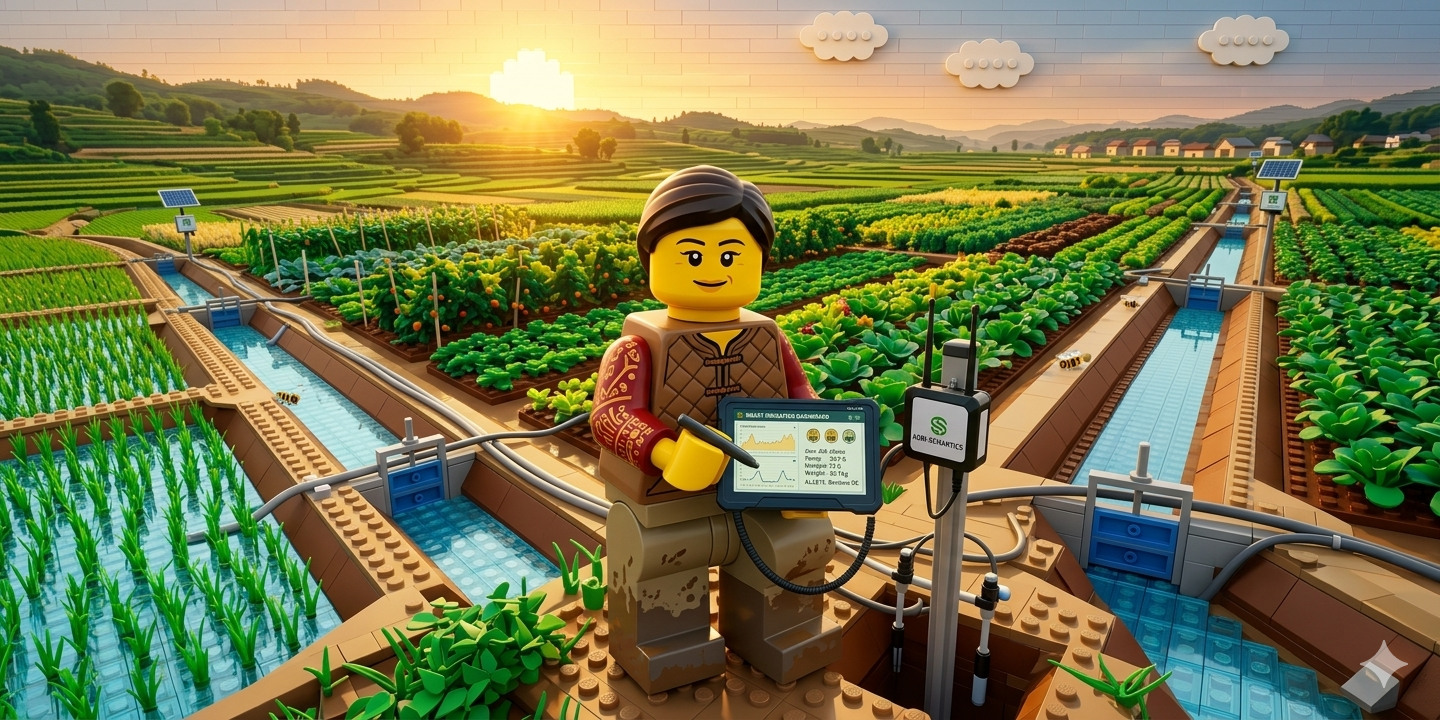
Irrigation accounts for approximately 70% of global freshwater withdrawals. Managing it well is one of the highest-leverage actions available to agriculture. Yet the data systems that could support better decisions are fragmented, often incompatible, and underused.
The pressure to produce more food with less water, lower energy, and reduced environmental impact is intensifying everywhere. Irrigation is central to that challenge — not simply because of the volume of water it uses, but because of its complexity. The environmental footprint of any irrigation decision depends on the source of the water, the energy embedded in its delivery, the soil and crop conditions in the field, and the cumulative impact on downstream catchments and groundwater systems. These tradeoffs are rarely visible at the point where decisions are made.

The bee products industry is growing, data-rich, and ripe for transformation. What it has lacked, until now, is a common language.
Global demand for honey, wax, pollen, propolis, and royal jelly is rising sharply. The market reached an estimated US$11.75 billion in 2024 and is projected to grow to nearly US$19 billion by 2032. Yet behind this growth lies a sector under pressure: colonies threatened by parasites, disease, pesticides, and habitat loss; supply chains vulnerable to adulteration and mislabeling; and a proliferating array of digital monitoring tools that cannot talk to one another.
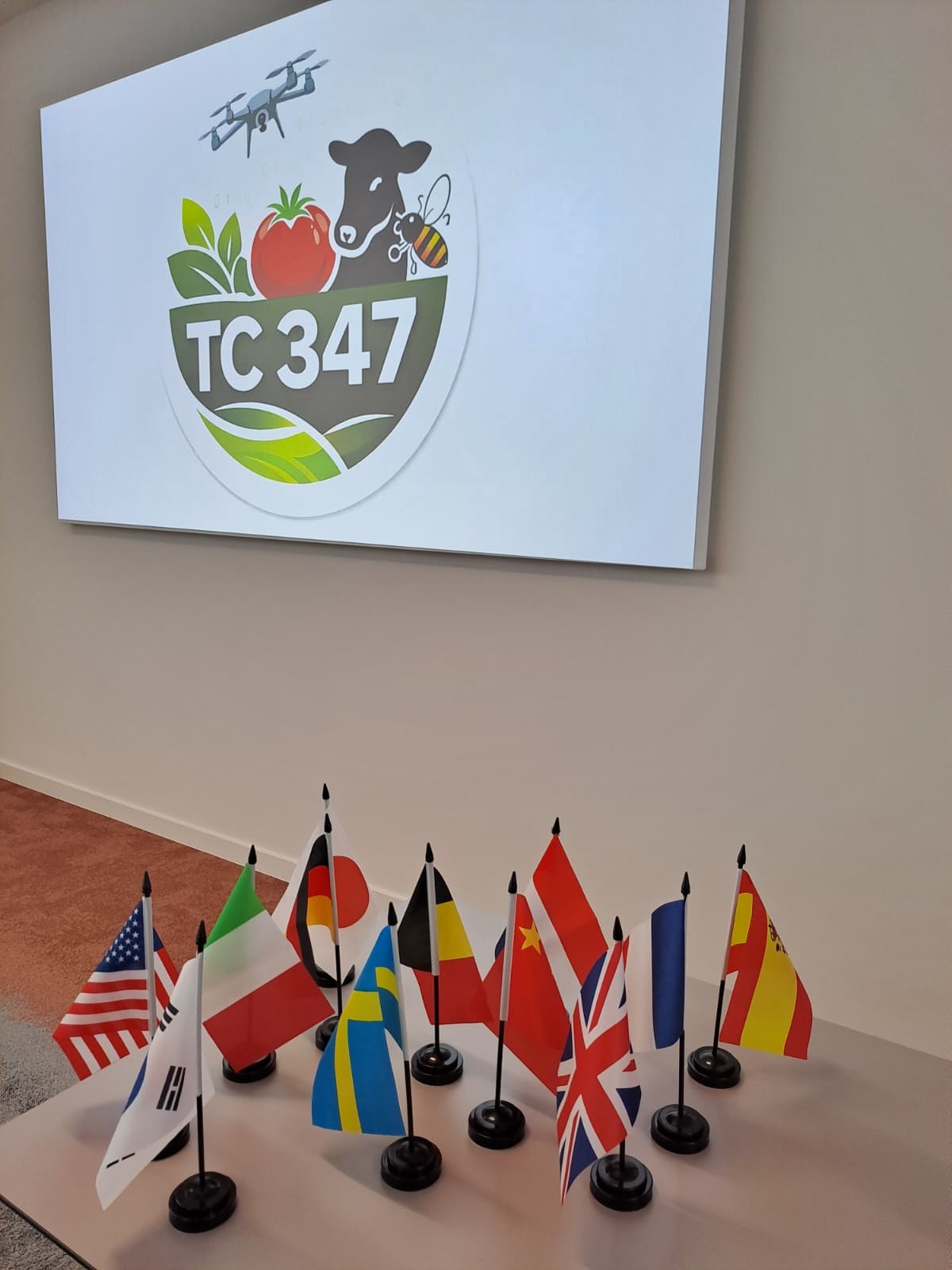
Spread across 15 detailed in-person workshops, two substantial hybrid plenary sessions, and four days with 64 in-person attendees representing 11 countries, the 2026 in-person plenary, in Cologne, was a resounding success!
ISO/TC 347, Data-driven agrifood systems, recently approved new proposal (NP) ballots for its first two standards projects:
- ISO/AWI 34705-2 (Reference data in agrifood systems -- Part 2: Crop definition data model)
- ISO/AWI 35713-1 (Controlled environment agriculture systems -- Part 1: General concepts and control framework).
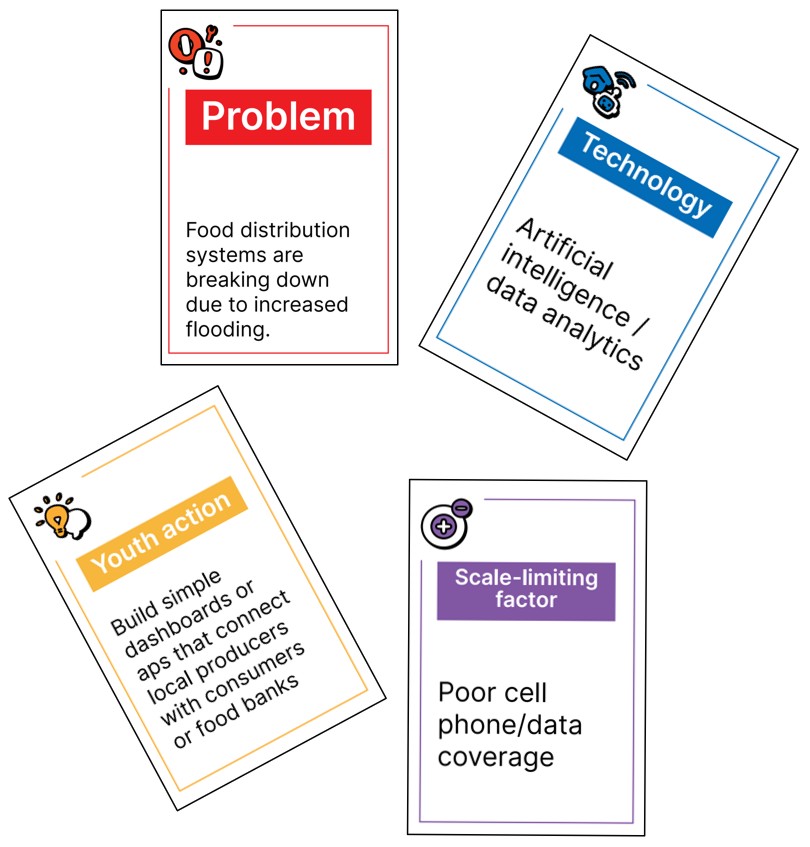
ISO/TC 347 has launched its "Food Security Card Game" to encourage understanding, and support engagement around the challenges we face and how we can solve problems or mitigate their impacts. With the help of TC 347's Young Professional Program participants as facilitators, the game was first trialed at a youth-oriented activity as part of ISO's annual meeting held in Kigali in October 2025. We are proud to have launched the finalised game at our plenary in Köln, March 2026.

With less than 1% of its land area under arable cultivation and over 90% reliance on food imports, the UAE has a Global Food Security Index score of 75.2%. In facing this challenge, the UAE recognized that harnessing the power of agrifood data would be critical to its future food security and delivering on the national vision to:
• Strengthen domestic agricultural production
• Improve supply chain resilience
• Promote innovation and agri-technology
• Enable data-driven governance
Ms.Al-Shamsi will present on the resulting UAE Food Security Data Platform at the 5th global plenary meeting of ISO/TC 347, in Cologne on Tuesday 10th March 2026 at 09:15 CET.
The Young Professionals Program (YPP) is a collaborative initiative between ISO Technical Committee 347 on data-driven agrifood systems and YPARD (Young Professionals for Agricultural Development). The program aims to engage, build capacity, and empower a diverse group of young professionals globally in the areas of standardization, ICT, AI, and data-centric innovation in agriculture.
This global, virtual event will feature short talks from YPP participants advancing data-driven agrifood systems and agricultural standardization. All are welcome to attend the event, where you will hear engaging presentations and viewpoints from the next generation of leaders in the agrifood system.
Agricultural pest management is becoming more difficult worldwide; new pests appear due to changing climate and the introduction of invasive species. Farmers and their trusted partners are often not equipped to diagnose the severity of unfamiliar pest infestations, and national governments can be caught off-guard if an infestation becomes severe.
ISO - International Organization for Standardization TC 347 is proud to announce “Pay attention (if you want it to work): The case for machine-actionable unit of measure codes and QUDT”, webinar #14 in its series on working together towards secure and thriving agrifood systems.
ISO/TC 347 (Data-driven agrifood systems) is proud to announce “Making sustainability actionable: Managing hidden impacts at scale with standards”, webinar #13 in its series on working together towards secure and thriving agrifood systems.
Why you should join the ISO/TC 347 Plenary
The 5th ISO/TC 347 Plenary in Cologne brings together the global community shaping the future of digital standards for agriculture and food systems. Over four tightly curated days, participants will dive into the practical and strategic foundations of interoperable agri-food data — from units of measure, identifiers (GLN, GTIN), and GS1 EPCIS event tracking, through to agri-semantics, workflows, data quality, and orchestration .
We are proud to announce the 12th webinar in our series on working together towards secure and thriving agrifood systems. This 1-hour session, "EU legislation is quietly reshaping agrifood data interoperability ... and what data spaces have to do with it" is scheduled for Tuesday, January 20 at 1:00 pm UTC / 8:00 am New York / 2:00 pm Berlin / 9:00 pm Beijing.
ISO 22000 - Food safety management
ISO Standards in action - Food

Find out more about Mark
