Standards help ensure environments, products, and technologies are usable by everyone, including those with disabilities, driving equity, safety, and ease of use across industries.

Top standards

Information technology — User interface accessibility
Part 1: User accessibility needs

Information technology — Accessibility considerations for people with disabilities
Part 2: Standards inventory

Tourism and related services — Accessible tourism for all — Requirements and recommendations

Assistive products for walking manipulated by both arms — Requirements and test methods
Part 2: Rollators

Acoustics — Hearing aid fitting management
Part 2: Tele-services as part of hearing aid fitting management (tHAFM)

Accessible design — Application of braille on signage, equipment and appliances

Assistive products for persons with vision impairments and persons with vision and hearing impairments — Acoustic and tactile signals for pedestrian traffic lights

Insights

Sustainable development for a changing planet

Cities worldwide are in the race to adapt to a changing climate. Everywhere, soaring temperatures fuelled by human-made greenhouse gas emissions are disrupting the delicate balance of our climate systems.

The future of consumer advocacy is here

From sustainability to vulnerability, we’re fighting for the protection of our families, friends and neighbours. Together, our voices will be heard.

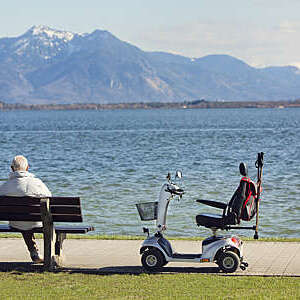
Back view of older man sitting on a bench on the waterfront with an electric wheelchair by his side.

By Clare Naden on

Accessibility for all

Ergonomics data supports the development of more accessible products and environments.