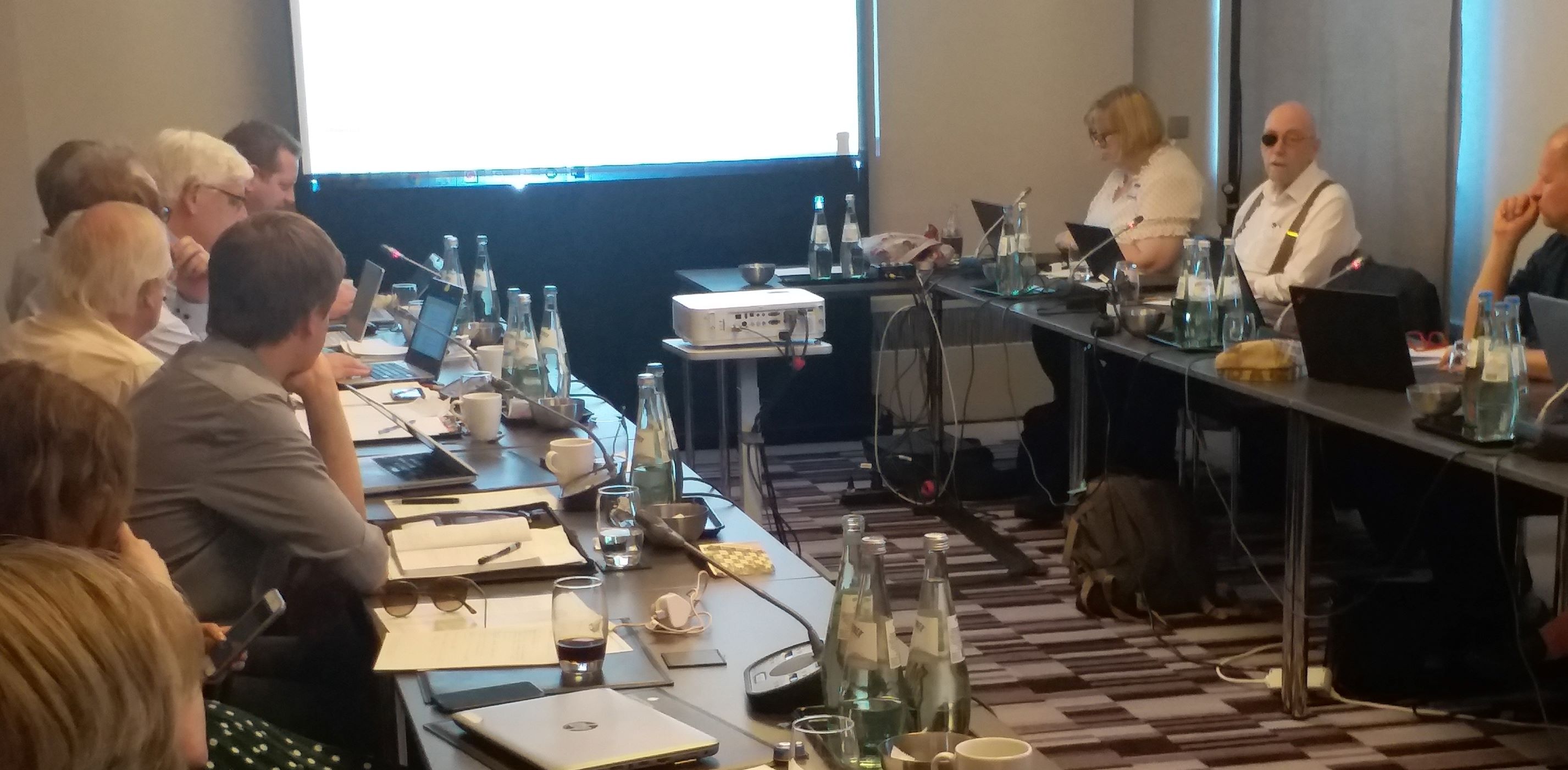
ISO/TC207/SC4 Working Group 7 is working hard on four standards to make sure it isn't so.
Green Bonds are bonds which are specifically targetted to fund projects that have positive environmental and/or climate benefits. The bonds are typically asset-linked and backed by the issuer's balance sheet. Issuance of Green bonds is typically to raise capital for project implementation. A Green bond may also be referred to as climate bonds.
Investors would buy a green bond to help fund projects which focus on environmental or climate change issues, such as energy efficiency, carbon emmission reduction, waste reduction and recycling.
How do we know that the bonds are performing as they are expected to? WG7 has proposed four standards to evaluate this:
Part 1: Process for green bonds -- This document will provide principles, requirements and guidance for designating bonds and other debt instruments as “green”, for selecting projects and assets, for managing proceeds, and for defining, measuring and reporting on their environmental impacts. It can be applied by any issuer of bonds and other related fixed income instruments.
Part 2: Process for green loans -- This part defines eligibility criteria, including, if applicable, exclusion criteria or any other process applied to identify and manage potentially material environmental and social risks associated with the programme.
Part 3: Taxonomy -- This part specifies requirements for verification of green bonds. It is intended to be used jointly with ISO 14030-1 and ISO 14030-2.
Part 4: Verification -- This document provides principles, requirements, and guidance for designating loans and other debt instruments except bonds as “green”; for selecting projects, assets, and activities; for managing proceeds; and for defining, measuring and reporting on their environmental impacts.
The WG Convenor is John Shideler and the Secretariat is ANSI.